





STOCKS
Out of Stock

Fish

Out of stock
₱ 300.00 Original price was: ₱ 300.00.₱ 150.00Current price is: ₱ 150.00.
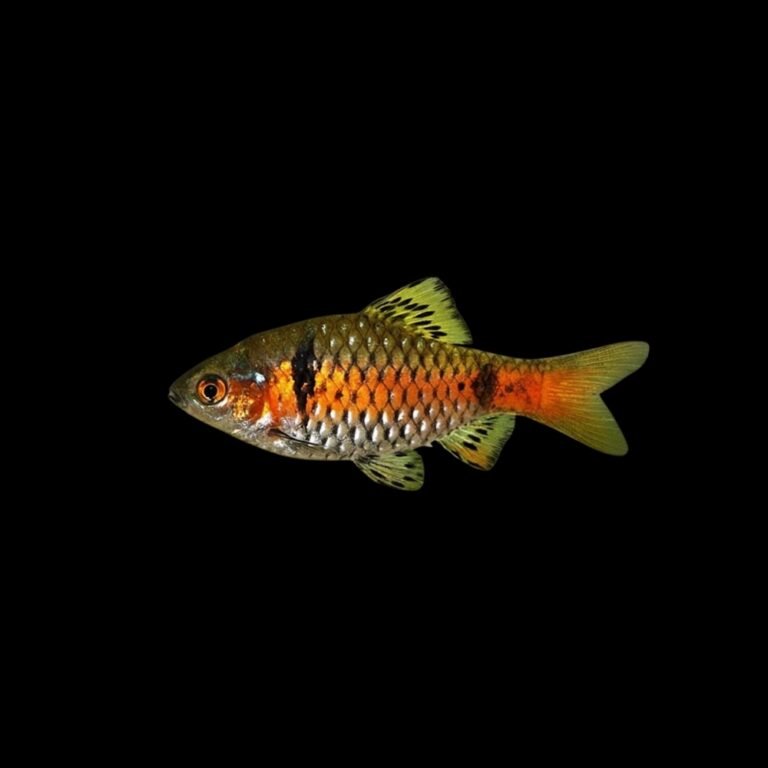
The Barb Fish is a popular freshwater species known for its active behavior, social nature, and striking scale pattern. It is well loved by beginners and experienced hobbyists because it is hardy, easy to care for, and full of energy. This fish brings constant movement to the aquarium and adds a natural, dynamic look to community tanks. The Barb Fish is also known for its schooling behavior, which makes it an attractive choice for aquarists who enjoy lively groups of fish swimming together. With proper care, stable water conditions, and enough space, this species thrives and becomes a strong addition to any freshwater setup.
This species thrives in tropical freshwater with stable conditions. The ideal temperature range is between twenty two and twenty six degrees Celsius. A pH level between six point five and seven point five is recommended for long term health. Water should be clean, clear, and consistently filtered. Regular partial water changes help maintain the best environment for activity and coloration. Slight water movement is acceptable, as Barbs enjoy gentle currents.
Barb Fish are schooling species and should be kept in groups of at least six or more. A school helps reduce stress, encourages natural behavior, and improves overall health. A minimum tank size of twenty gallons is recommended for a small group. Larger tanks offer more swimming space and support better group dynamics. These fish prefer the middle area of the aquarium and are constantly active, creating a lively and enjoyable display.
Feeding the Barb Fish is simple because it accepts a wide variety of foods. Offer flakes, micro pellets, frozen food, and small live food such as brine shrimp or daphnia. A balanced diet improves coloration, energy level, and immune function. Vegetable based foods also support digestion. Feed small amounts two to three times per day to avoid overfeeding and maintain clean water conditions.
Barb Fish are generally peaceful when kept in proper groups. They do well with many community species such as tetras, rasboras, danios, gouramis, corydoras, mollies, and swordtails. Avoid housing them with slow or long finned fish, as their active behavior may cause minor fin nipping. A well sized group reduces this behavior and promotes harmony in the tank.
Barb Fish are egg scatterers. They lay eggs in plants, moss, or fine substrate. Breeding requires a separate tank with gentle filtration, fine leaf plants, or spawning mops. Parents typically do not guard their eggs, so breeders often separate adults after spawning. Fry grow quickly when fed with powdered food, baby brine shrimp, or infusoria.
A well designed aquarium improves the natural behavior of the Barb Fish. Use live plants such as hornwort, cabomba, and water wisteria to create structure and hiding areas. Provide open space for free swimming since Barbs enjoy constant movement. Darker substrates highlight their body patterns and scale colors beautifully. Moderate lighting enhances their appearance without causing stress.
The Barb Fish is perfect for aquarists who want an active and easy to care for freshwater species. Its schooling nature, playful movement, and adaptable care requirements make it suitable for beginners and experienced fish keepers alike. When kept in a healthy group, it becomes a lively addition to community tanks and planted aquariums. This fish provides motion, personality, and natural beauty in any freshwater setup.

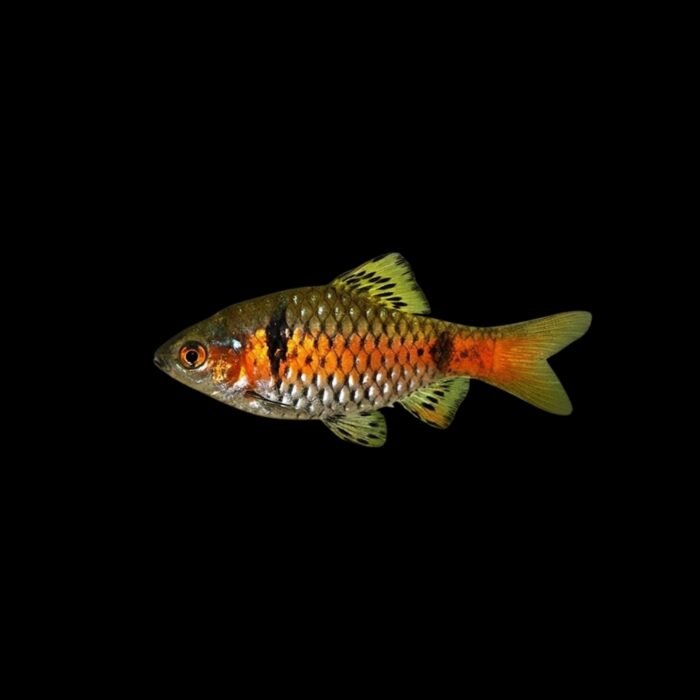
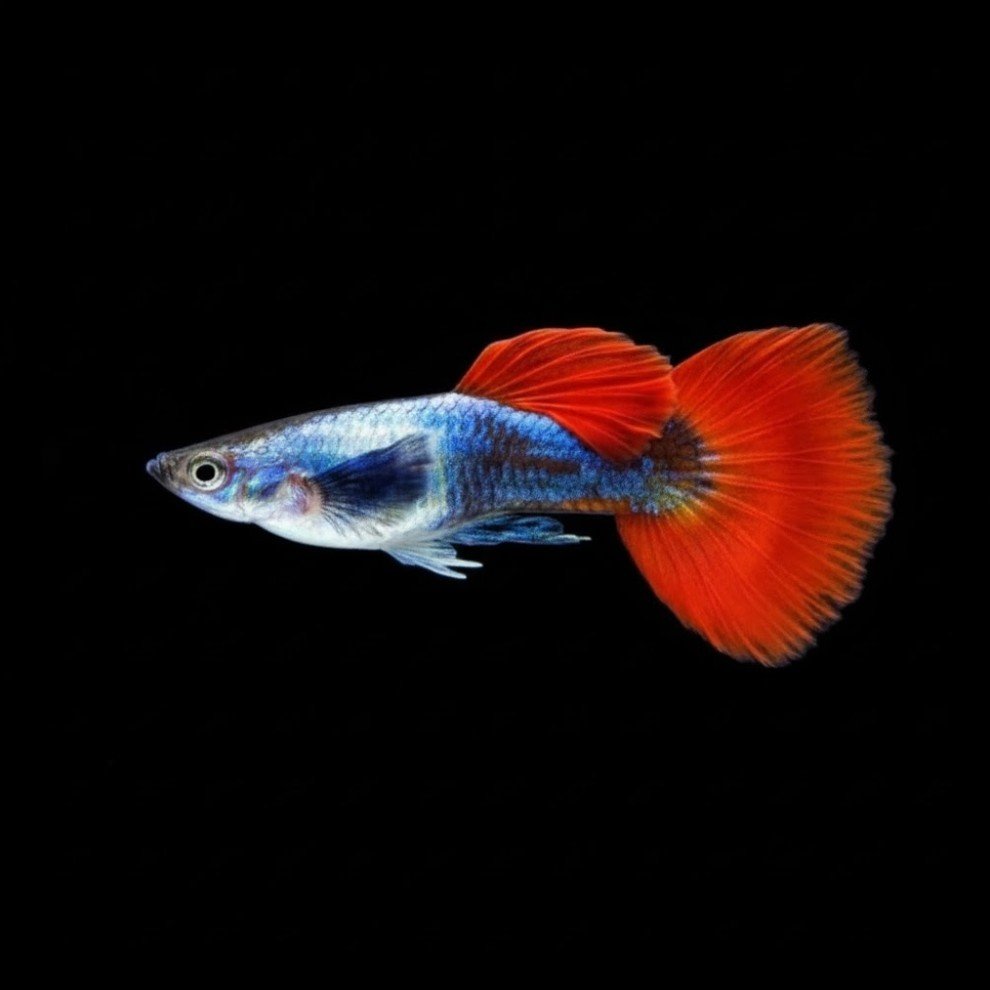
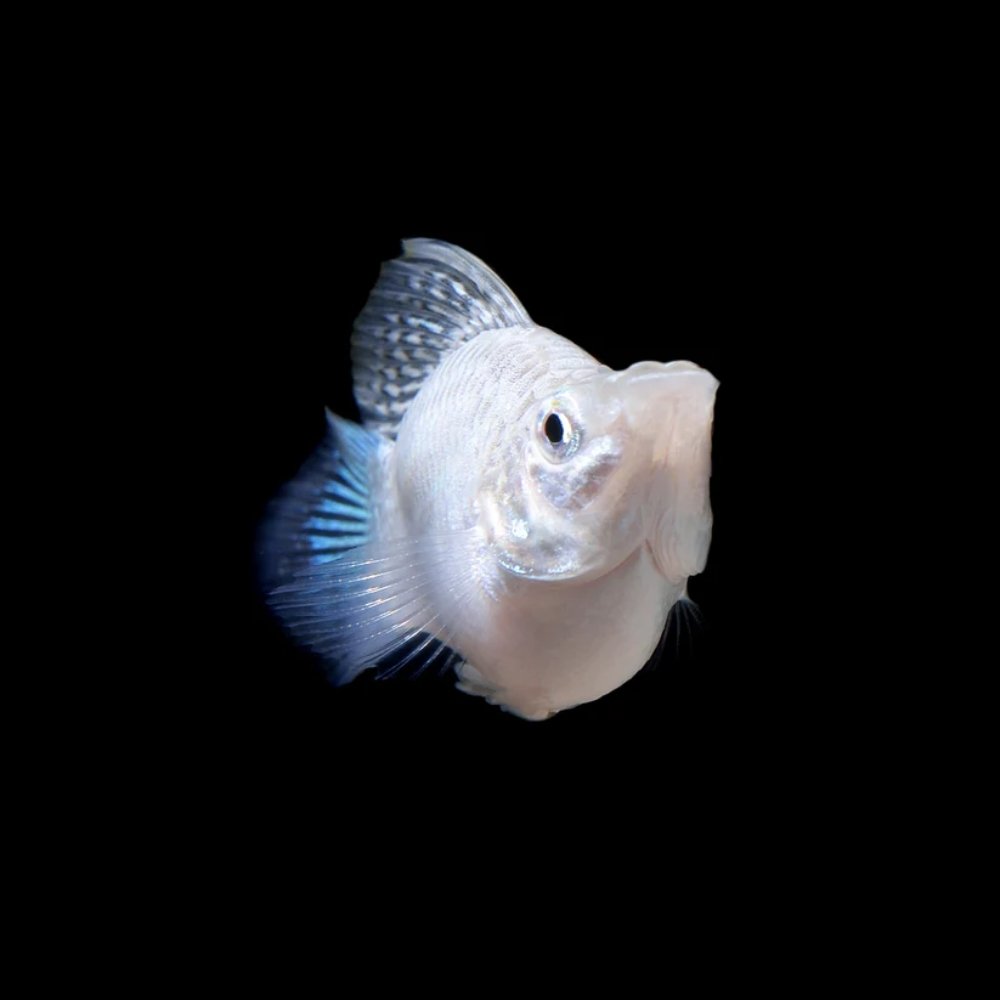
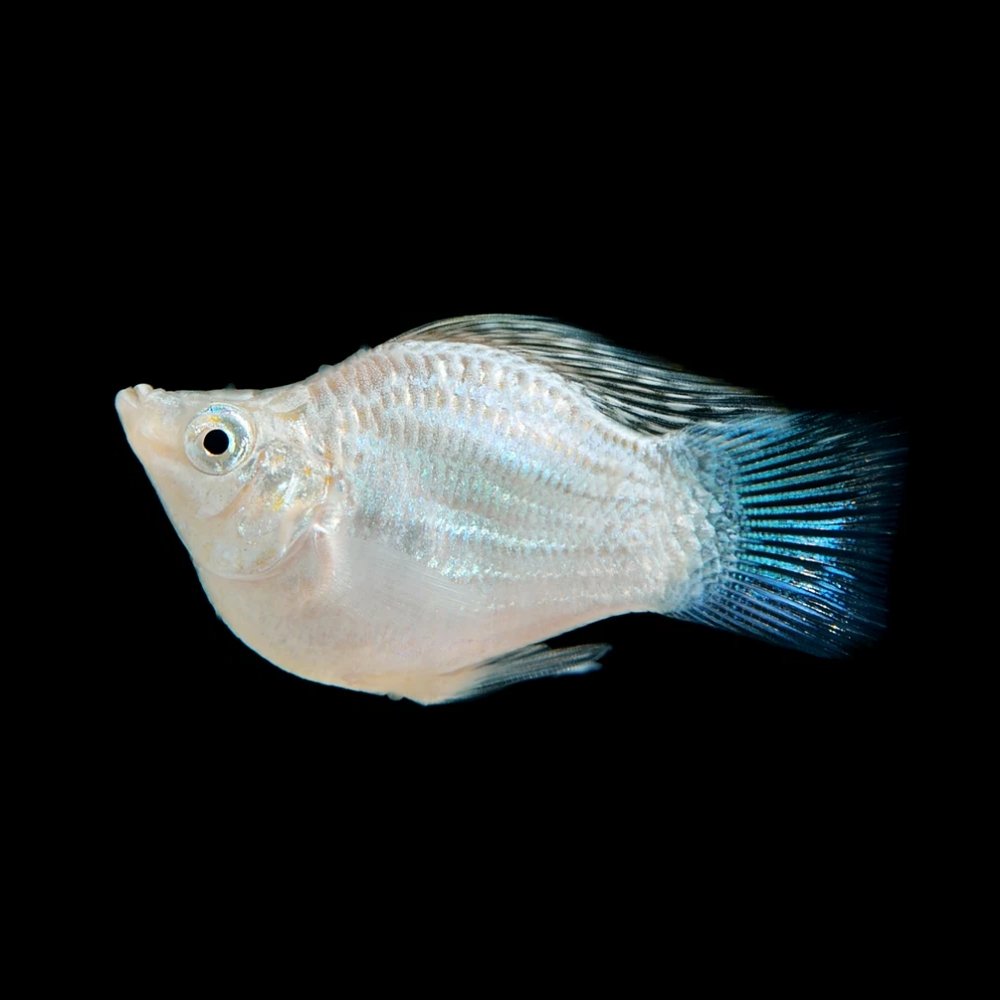
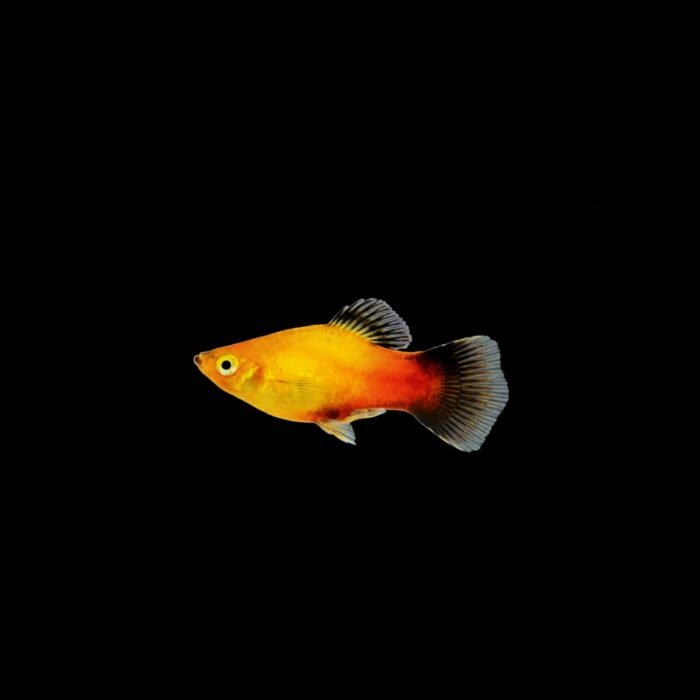
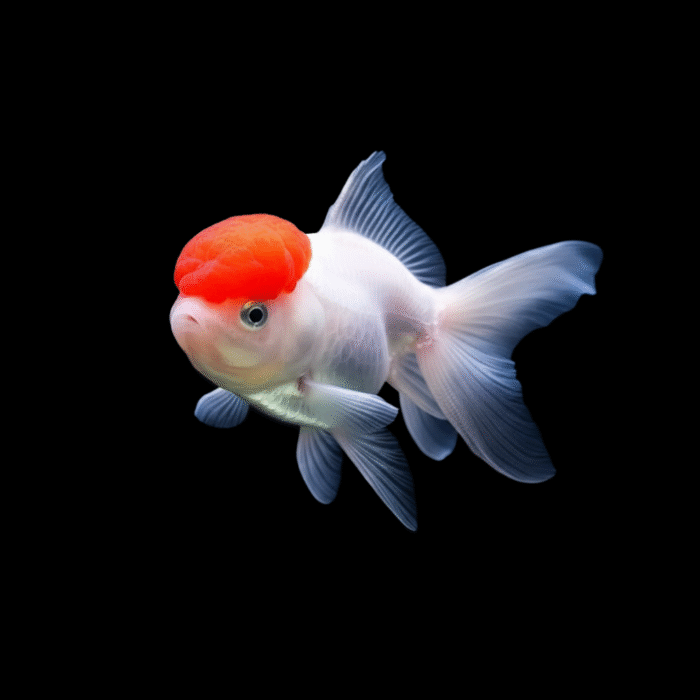
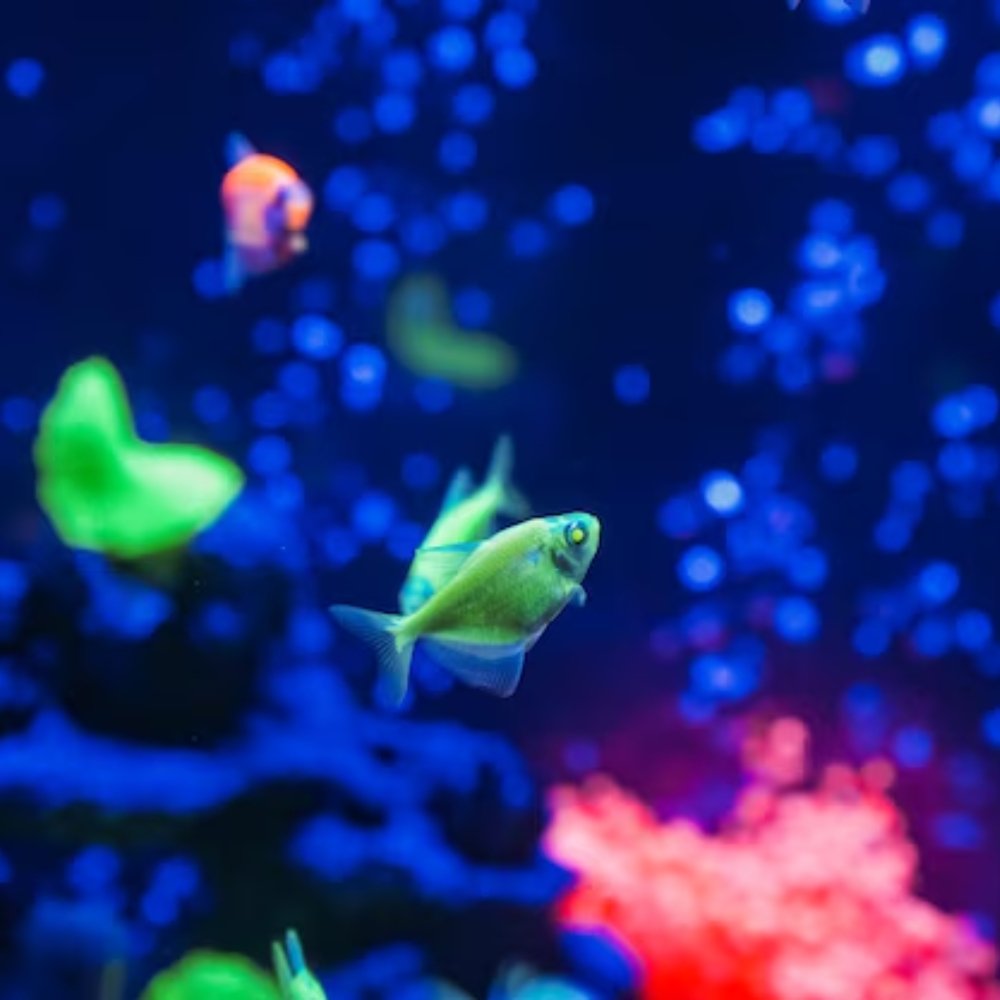
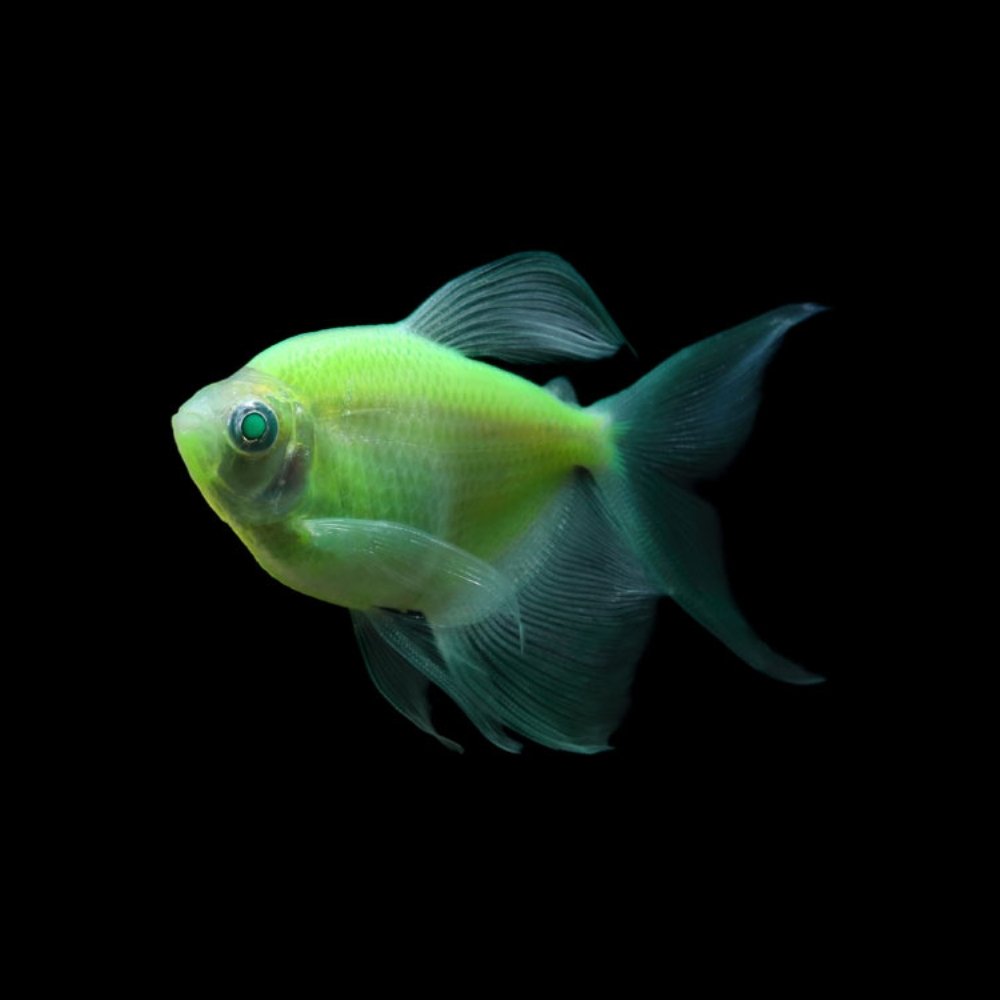
The Barb Fish is a popular freshwater species known for its active behavior, social nature, and striking scale pattern. It is well loved by beginners and experienced hobbyists because it is hardy, easy to care for, and full of energy. This fish brings constant movement to the aquarium and adds a natural, dynamic look to community tanks. The Barb Fish is also known for its schooling behavior, which makes it an attractive choice for aquarists who enjoy lively groups of fish swimming together. With proper care, stable water conditions, and enough space, this species thrives and becomes a strong addition to any freshwater setup.
This species thrives in tropical freshwater with stable conditions. The ideal temperature range is between twenty two and twenty six degrees Celsius. A pH level between six point five and seven point five is recommended for long term health. Water should be clean, clear, and consistently filtered. Regular partial water changes help maintain the best environment for activity and coloration. Slight water movement is acceptable, as Barbs enjoy gentle currents.
Barb Fish are schooling species and should be kept in groups of at least six or more. A school helps reduce stress, encourages natural behavior, and improves overall health. A minimum tank size of twenty gallons is recommended for a small group. Larger tanks offer more swimming space and support better group dynamics. These fish prefer the middle area of the aquarium and are constantly active, creating a lively and enjoyable display.
Feeding the Barb Fish is simple because it accepts a wide variety of foods. Offer flakes, micro pellets, frozen food, and small live food such as brine shrimp or daphnia. A balanced diet improves coloration, energy level, and immune function. Vegetable based foods also support digestion. Feed small amounts two to three times per day to avoid overfeeding and maintain clean water conditions.
Barb Fish are generally peaceful when kept in proper groups. They do well with many community species such as tetras, rasboras, danios, gouramis, corydoras, mollies, and swordtails. Avoid housing them with slow or long finned fish, as their active behavior may cause minor fin nipping. A well sized group reduces this behavior and promotes harmony in the tank.
Barb Fish are egg scatterers. They lay eggs in plants, moss, or fine substrate. Breeding requires a separate tank with gentle filtration, fine leaf plants, or spawning mops. Parents typically do not guard their eggs, so breeders often separate adults after spawning. Fry grow quickly when fed with powdered food, baby brine shrimp, or infusoria.
A well designed aquarium improves the natural behavior of the Barb Fish. Use live plants such as hornwort, cabomba, and water wisteria to create structure and hiding areas. Provide open space for free swimming since Barbs enjoy constant movement. Darker substrates highlight their body patterns and scale colors beautifully. Moderate lighting enhances their appearance without causing stress.
The Barb Fish is perfect for aquarists who want an active and easy to care for freshwater species. Its schooling nature, playful movement, and adaptable care requirements make it suitable for beginners and experienced fish keepers alike. When kept in a healthy group, it becomes a lively addition to community tanks and planted aquariums. This fish provides motion, personality, and natural beauty in any freshwater setup.